

 AR
 BG
 HR
 CS
 FR
 DE
 EL
 HI
 IT
 JA
 NO
 PL
 PT
 RO
 RU
 ES
 TL
 ID
 SR
 SK
 SL
 UK
 VI
 SQ
 HU
 MT
 TH
 TR
 FA
 MS
 GA
 BE
 MK
 HY
 AZ
 KA
 HT
 BN
 HMN



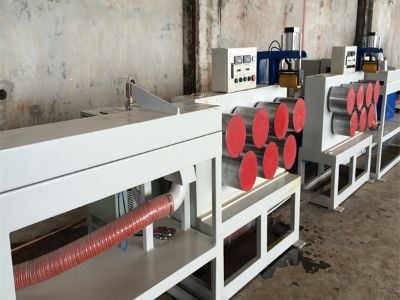
Investing in a PET strap making machine for in-house packaging from recycled flakes can significantly enhance your production capabilities while promoting sustainability. This article evaluates key considerations for potential buyers, focusing on cost factors, specifications, quality of recycled materials, installation guidance, and the diverse applications of PET straps. Understanding these elements will help you make an informed decision that meets both operational needs and environmental responsibilities
Understanding the Cost Factors of PET Strap Making Machines
When evaluating the cost of a PET strap making machine, several factors come into play. The initial purchase price is just the starting point; you should also consider installation, maintenance, and operational costs
Initial Investment: The price of the machine can vary widely based on its specifications, production capacity, and features like automation or energy efficiency. It's essential to compare models from different manufacturers to find the best fit for your budget and production needs
Operational Costs: These include energy consumption, labor costs, and raw material expenses. Machines that use more energy may increase your overall operational costs, so opting for energy-efficient models is advisable
Maintenance and Downtime: Regular maintenance is crucial for ensuring long-term performance. Consider the availability of spare parts, service contracts, and the manufacturer’s support. Machines that are prone to breakdowns can lead to costly downtimes
Return on Investment (ROI): Calculate the potential ROI by estimating the savings from using recycled materials versus purchasing new materials. A well-calibrated machine can reduce waste, improve efficiency, and lead to significant savings over time
Key Specifications to Consider for In-House Packaging Solutions
Selecting the right PET strap making machine for in-house packaging involves understanding critical specifications that impact performance and product quality
Production Capacity: Determine the machine’s output capability, which is usually measured in kilograms per hour. This should align with your anticipated production volume to avoid bottlenecks
Material Compatibility: Ensure the machine can process the specific types of recycled flakes you plan to use. Different types of PET (like rPET) may require distinct processing conditions
Strap Dimensions: The machine should be capable of producing straps of various widths and thicknesses to accommodate different packaging requirements. Make sure to confirm whether the model can be adjusted for various sizes as needed
Control Systems: Advanced control systems can help achieve precise temperature regulation and extrusion speeds, which are essential for maintaining consistent product quality
Energy Efficiency: Look for machines designed to minimize energy usage, which is not only cost-effective but also supports sustainability goals
Evaluating the Quality of Recycled Flakes in Production
The quality of recycled flakes used in production directly impacts the integrity and performance of the final PET straps. Here are key considerations when evaluating recycled materials
Source of Recycled Flakes: Understanding where the recycled flakes are sourced from is crucial. Flakes from post-consumer products may have different properties compared to those from post-industrial sources
Contamination Levels: Check for impurities or contamination in the recycled flakes, such as labels, adhesives, or other plastics. High contamination levels can affect the extrusion process and the quality of the PET straps produced
Testing and Certification: Consider whether the recycled flakes have been tested for quality standards. Certifications may indicate compliance with specific industry requirements, helping assure you of their suitability for production
Performance Characteristics: Evaluate the mechanical properties of the recycled PET, such as tensile strength and elasticity. These factors will influence the performance of the straps in their intended applications
Installation Guidance for Efficient PET Strap Making Machines
Installing a PET strap making machine correctly is vital for optimal performance and longevity. Here are essential steps to ensure a successful installation
Site Preparation: Ensure the installation site has adequate space and infrastructure, including power supply, ventilation, and access for maintenance. The floor should be level and capable of supporting the machine's weight
Professional Installation: It is often beneficial to have the manufacturer or a qualified technician perform the installation. This ensures that all components are assembled correctly, and critical systems are calibrated for optimal performance
Training for Operators: Providing comprehensive training for machine operators can prevent operational issues. Operators should be familiar with the machine's features, maintenance schedules, and troubleshooting procedures
Testing and Calibration: After installation, conduct thorough testing of the machine to confirm that it operates within specified parameters. Adjust settings as necessary to optimize performance based on the specific recycled flakes being used
Exploring Applications of PET Straps in Various Industries
PET straps produced from recycled flakes have diverse applications across multiple industries, making them an attractive choice for businesses looking to enhance their packaging solutions
Packaging and Palletization: PET straps are widely used in the packaging industry for bundling products, securing pallet loads, and providing stability during transport. Their strength and lightweight nature make them ideal for this purpose
Construction: In the construction industry, PET straps are used for securing materials on pallets and during transit. Their resistance to stress and ability to withstand environmental conditions add to their appeal
Textiles: The textile industry utilizes PET straps for bundling finished fabrics or rolls. The durability of PET material ensures that the straps maintain their integrity throughout the supply chain
Recycling and Sustainability: As companies increasingly focus on sustainability, the demand for PET straps made from recycled materials is growing. Using recycled flakes not only reduces waste but also promotes a circular economy approach
By understanding the various applications and benefits of PET straps, you can better evaluate how investing in a plastic PET strap making machine aligns with your company's sustainability goals and operational needs
Table of Contents
- Understanding the Cost Factors of PET Strap Making Machines
- Key Specifications to Consider for In-House Packaging Solutions
- Evaluating the Quality of Recycled Flakes in Production
- Installation Guidance for Efficient PET Strap Making Machines
- Exploring Applications of PET Straps in Various Industries


