

 AR
 BG
 HR
 CS
 FR
 DE
 EL
 HI
 IT
 JA
 NO
 PL
 PT
 RO
 RU
 ES
 TL
 ID
 SR
 SK
 SL
 UK
 VI
 SQ
 HU
 MT
 TH
 TR
 FA
 MS
 GA
 BE
 MK
 HY
 AZ
 KA
 HT
 BN
 HMN



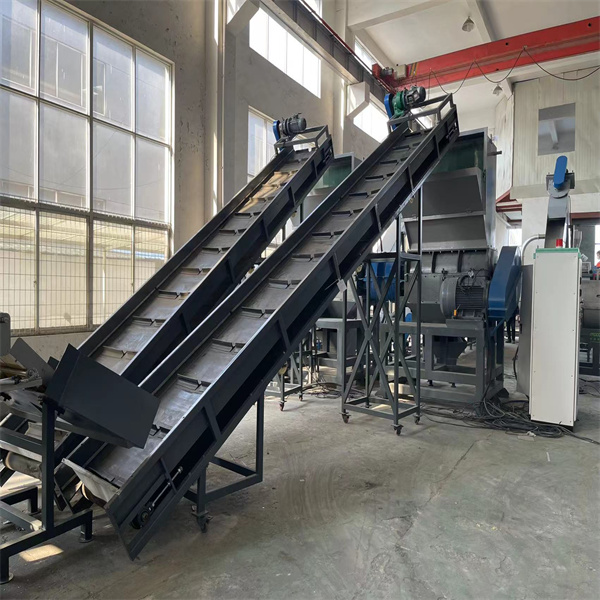
Plastic recycling washing plants integrated with efficient wastewater treatment systems are essential in today's eco-conscious manufacturing landscape. These systems not only enhance the recycling process but also ensure compliance with environmental regulations. As a B2B buyer whether you're a purchasing manager, distributor, or engineer understanding the intricate details of these technologies is crucial for making informed decisions. This article will guide you through choosing the right plastic recycling washing plant, key specifications for effective wastewater treatment, wholesale opportunities, applications, and quality control measures in recycling equipment manufacturing.
How to Choose the Right Plastic Recycling Washing Plant for Your Needs
Selecting the right plastic recycling washing plant involves assessing various factors that align with your operational needs. Start by evaluating the types of plastics you intend to process polyethylene (PE), polypropylene (PP), or polyethylene terephthalate (PET). Each type of plastic may require different washing techniques and equipment configurations.
Additionally, consider the plant’s capacity to handle your expected throughput. A plant designed for high-volume processing will differ significantly in size and components compared to a smaller-scale installation. Look for features like adjustable washing temperatures and integrated drying systems, which can enhance efficiency.
Finally, assess the level of automation required. Many modern washing plants offer automated controls that streamline operations, reduce labor costs, and improve safety. Ensure that the plant's design allows for easy integration with your existing recycling infrastructure.
Key Specifications for Effective Wastewater Treatment Systems in Recycling
An effective wastewater treatment system is critical in a plastic recycling washing plant to ensure compliance with environmental regulations and minimize operational costs. Key specifications to consider include:
Treatment Capacity: The system should be capable of processing the volume of wastewater generated during the washing process. Calculate your maximum wastewater output to determine the necessary treatment capacity.
Filtration Technology: Look for advanced filtration systems, such as microfiltration or ultrafiltration, which can effectively remove contaminants and solids from wastewater, thereby improving water quality for reuse.
Chemical Treatment: Evaluate the use of flocculants or coagulants to enhance the removal of suspended solids. Ensure that the system can accommodate the specific chemicals you plan to use and that it meets any regulatory standards for chemical handling.
Discharge Standards: Familiarize yourself with local discharge standards to ensure that the treated water meets environmental regulations. Many systems offer monitoring capabilities to track compliance in real-time.
Choosing a wastewater treatment system that integrates seamlessly with your recycling washing plant is essential to optimize both performance and compliance.
Wholesale Opportunities for Reliable Plastic Recycling Equipment Suppliers
When sourcing waste plastic recycling washing line and wastewater treatment systems, consider establishing relationships with reputable wholesale suppliers. Look for suppliers that offer a comprehensive range of equipment, including customization options to meet your specific needs.
Evaluate their manufacturing capabilities, production equipment, and quality certifications. A supplier with a proven track record in the industry will likely have robust quality control measures in place, ensuring that the equipment meets performance and safety standards.
Additionally, inquire about their support services, including installation, training, and maintenance. A supplier that provides ongoing support can significantly reduce downtime and operational challenges.
Finally, consider the total cost of ownership when negotiating prices. This includes not just the initial purchase price but also the anticipated maintenance costs, energy consumption, and potential resale value.
Top Applications for Plastic Recycling Plants and Wastewater Integration
Plastic recycling plants equipped with integrated wastewater treatment systems have diverse applications across various industries. Some key applications include:
Post-Consumer Plastic Recycling: These plants are essential for processing materials collected from consumers, such as plastic bottles, containers, and packaging. The washing process removes contaminants, while wastewater treatment ensures compliance with environmental regulations.
Industrial Plastic Recycling: Manufacturing facilities that generate plastic waste can benefit from these systems to recycle scrap materials, resulting in reduced landfill costs and optimized resource use.
Film and Fiber Recycling: Specialized washing plants can also process plastic films and fibers, which often require different handling techniques. Integrated wastewater systems ensure that the unique contaminants associated with these materials are adequately treated.
By understanding the specific applications relevant to your industry, you can tailor your purchasing decisions to meet both operational and regulatory requirements effectively.
Understanding the Quality Control Measures in Recycling Equipment Manufacturing
Quality control is paramount in the manufacturing of plastic washing line and wastewater treatment systems. Effective quality control measures should include:
Material Selection: The choice of materials used in construction can significantly impact durability and performance. Ensure that the manufacturer uses high-quality, corrosion-resistant materials suitable for harsh operating conditions.
Testing Protocols: Look for manufacturers that conduct thorough testing of equipment during production. This may include performance testing under simulated operational conditions to verify efficiency and reliability.
Certification Compliance: Check if the equipment meets international standards and certifications relevant to the recycling industry. Compliance with standards such as ISO can indicate a commitment to quality and performance.
Customer Feedback and Case Studies: Request case studies or feedback from existing customers to gauge the performance of the equipment in real-world scenarios. This can provide valuable insights into potential operational challenges and manufacturer reliability.
By prioritizing quality control in your purchasing process, you can ensure that you invest in reliable equipment that enhances your recycling operations and meets regulatory standards.
Table of Contents
- How to Choose the Right Plastic Recycling Washing Plant for Your Needs
- Key Specifications for Effective Wastewater Treatment Systems in Recycling
- Wholesale Opportunities for Reliable Plastic Recycling Equipment Suppliers
- Top Applications for Plastic Recycling Plants and Wastewater Integration
- Understanding the Quality Control Measures in Recycling Equipment Manufacturing


