

 AR
 BG
 HR
 CS
 FR
 DE
 EL
 HI
 IT
 JA
 NO
 PL
 PT
 RO
 RU
 ES
 TL
 ID
 SR
 SK
 SL
 UK
 VI
 SQ
 HU
 MT
 TH
 TR
 FA
 MS
 GA
 BE
 MK
 HY
 AZ
 KA
 HT
 BN
 HMN



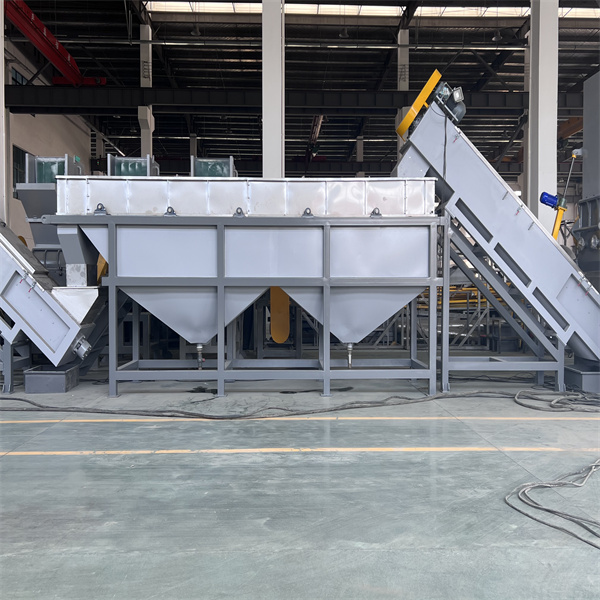
The PP PE Film Washing Line is an essential piece of machinery for processing contaminated woven bags, enabling scalable and efficient recycling operations. As a purchasing manager or engineer in the B2B sector, understanding the design considerations, specifications, and cost factors associated with these washing lines is crucial. This article will guide you through the key elements to consider when selecting a PP PE Film Washing Line, ensuring that your investment meets operational needs while addressing common challenges faced in the industry.
How to Choose the Right PP PE Film Washing Line for Your Needs
Selecting the right PP PE film washing system involves understanding your specific processing requirements. Consider the type and level of contamination in the woven bags, as this will influence the line's design and capacity. Key factors include the expected input material volume, the desired output quality, and any specific regulatory compliance.
When evaluating options, assess the line's throughput capacity, which typically ranges from a few hundred kilograms to several tons per hour. This capacity should align with your operational needs to ensure efficiency and cost-effectiveness. Additionally, consider the technology used in the washing process, as advanced systems often feature multiple stages of washing, drying, and separation to enhance material purity.
It’s beneficial to consult with manufacturers like Jiangsu Mooge Machinery Co., Ltd, who can provide insights based on their extensive experience in designing scalable solutions tailored to your operations.
Key Specifications for High-Quality Woven Bag Washing Lines
High-quality woven bag washing lines are characterized by several critical specifications. First, the material of construction is vital; stainless steel components are preferred for durability and corrosion resistance, particularly in wet environments. The washing tanks should be designed for maximum cleaning efficiency, which may involve features such as adjustable spray nozzles and optimized water flow rates.
The line's automation level is another important specification. Fully automated systems can significantly reduce labor costs and improve consistency in washing performance. Moreover, look for advanced filtration systems to prevent contamination of the recycled material and ensure compliance with environmental standards.
Lastly, consider the energy consumption and maintenance requirements of the washing line. A line that offers energy-efficient operation and easy access for maintenance can lead to long-term cost savings and minimized downtime.
Cost Considerations for Scalable Washing Line Solutions
Cost is a significant factor when investing in a PP PE film washing line. Initial purchase price, while important, should not be the only consideration. Evaluate the total cost of ownership over the line's lifespan, including maintenance, energy consumption, and potential downtime.
Scalable solutions are essential for businesses anticipating growth. For instance, investing in a modular washing line design allows for future expansions without replacing the entire system. This flexibility can lead to cost savings in the long run.
Moreover, inquire about the manufacturer's support and warranty options. A reliable supplier will not only provide competitive pricing but also ensure you have access to technical support and spare parts, which are crucial for maintaining operational efficiency.
Common Problems in Washing Contaminated Woven Bags and Solutions
Processing contaminated woven bags presents unique challenges. One common issue is inadequate cleaning, which can result from insufficient water temperature or ineffective detergent use. To mitigate this, ensure the washing line is equipped with adjustable temperature controls and high-quality detergents tailored for plastic materials.
Another challenge is the presence of stubborn contaminants, such as adhesives or residues. Implementing a multi-stage washing process can enhance cleaning effectiveness. For example, pre-washing with a solvent can help dissolve tough residues before the main washing cycle.
Lastly, material separation can be problematic if the washing line lacks proper design features. Utilizing advanced separation technologies, such as air classification or flotation systems, can help ensure that only clean, usable materials are processed, thereby improving overall output quality.
Applications of PP PE Film Washing Lines in Industrial Settings
PP PE Film Washing Lines are primarily used in recycling facilities, but their applications extend to various industrial settings. These lines effectively process agricultural films, industrial packaging, and post-consumer waste, contributing to sustainable practices in multiple sectors.
In the manufacturing industry, washed and recycled materials can be reintroduced into production processes, reducing reliance on virgin plastics. This not only minimizes environmental impact but can also lead to cost savings in raw material procurement.
Additionally, as regulations surrounding plastic waste become stricter, the demand for effective washing lines will continue to grow. Industries looking to enhance their sustainability efforts will find that investing in a PP PE film washing machine is a strategic move that aligns with both operational goals and environmental compliance.
By understanding these critical factors, B2B buyers can make informed decisions regarding PP PE Film Washing Line investments, ensuring that they select equipment that meets their specific needs while navigating the complexities of contaminated woven bag processing.
Table of Contents
- How to Choose the Right PP PE Film Washing Line for Your Needs
- Key Specifications for High-Quality Woven Bag Washing Lines
- Cost Considerations for Scalable Washing Line Solutions
- Common Problems in Washing Contaminated Woven Bags and Solutions
- Applications of PP PE Film Washing Lines in Industrial Settings


