

 AR
 BG
 HR
 CS
 FR
 DE
 EL
 HI
 IT
 JA
 NO
 PL
 PT
 RO
 RU
 ES
 TL
 ID
 SR
 SK
 SL
 UK
 VI
 SQ
 HU
 MT
 TH
 TR
 FA
 MS
 GA
 BE
 MK
 HY
 AZ
 KA
 HT
 BN
 HMN



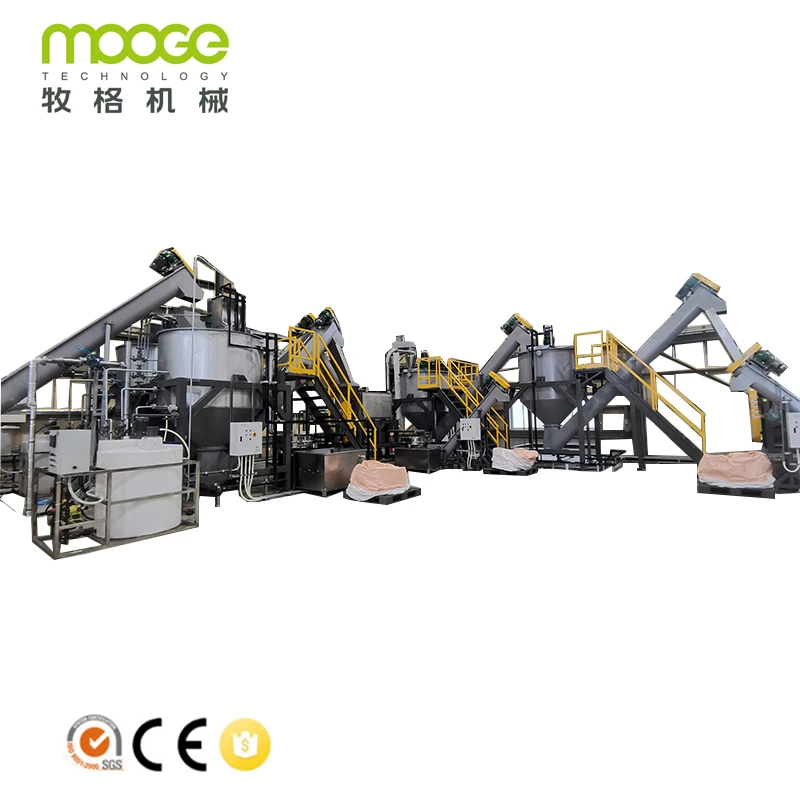
Fully automatic plastic recycling machines are essential for businesses aiming to efficiently process plastic waste into reusable materials. When considering a specification checklist for a fully automatic plastic recycling machine with turnkey service, B2B buyers often have specific concerns, including performance, cost, installation, and applications. This article will guide purchasing managers, engineers, and product managers through the key specifications, comparison strategies, installation guidance, industry applications, and bulk order options, ensuring they make informed decisions.
Key Specifications of Fully Automatic Plastic Recycling Machines for Buyers
When evaluating fully automatic plastic recycling machine, several key specifications should be considered:
Processing Capacity: Buyers should assess the machine's throughput, typically measured in kilograms per hour. This impacts how much waste can be processed and should align with production needs.
Material Compatibility: Ensure the machine can handle the specific types of plastic waste your operation generates, such as PET, PE, or PP. Different plastics require different processing parameters.
Automation Level: Fully automatic machines often feature advanced control systems that enhance efficiency. Look for features like automatic feed systems, integrated shredders, and real-time monitoring.
Energy Efficiency: Energy consumption is a significant cost factor. Machines with high energy efficiency ratings can reduce operational costs.
Maintenance Requirements: Consider the ease of maintenance, including accessibility to parts and the frequency of required servicing, which can influence long-term operational efficiency.
Quality Control Features: Advanced machines may include systems for monitoring the quality of the output, ensuring the recycled material meets required standards.
Understanding these specifications helps buyers determine the right machine for their operational needs while ensuring that performance expectations are met.
How to Compare Quality and Cost of Plastic Recycling Machines
When comparing plastic recycling machines, it's crucial to balance quality and cost. Here are some strategies:
Benchmarking Against Industry Standards: Review the specifications against industry standards to ensure the machine meets your requirements. High-quality machines may have certifications or testing results that validate their performance and reliability.
Total Cost of Ownership (TCO): Look beyond the initial purchase price. Assess operational costs, including energy consumption, maintenance, and downtime. A lower upfront cost may lead to higher long-term expenses if the machine is not efficient or reliable.
User Reviews and Case Studies: Seek feedback from other users in similar industries. Real-world testimonials can provide insights into the machine's performance and reliability.
Customization Options: Some manufacturers offer customization to better meet specific operational needs. This can impact the price but may provide significant long-term benefits.
Warranty and Support: Evaluate the warranty period and the manufacturer's support services. A longer warranty and responsive customer service can enhance the value of the investment.
By using these strategies, buyers can make comparisons that go beyond surface-level costs, ensuring they choose a machine that aligns with both quality expectations and budget constraints.
Installation Guidance for Fully Automatic Plastic Recycling Machines
Proper installation is crucial for the optimal performance of fully automatic plastic recycling machines. Here are essential steps to consider:
Site Preparation: Ensure the installation site meets the plastic waste recycling machine specifications for space, power supply, and ventilation. This includes having appropriate electrical connections and safety measures in place.
Professional Installation Services: Consider hiring experienced technicians for the installation. They can ensure the machine is set up correctly, adhering to all safety regulations and operational standards.
Testing and Calibration: After installation, conduct thorough testing and calibration to confirm that the machine operates as intended. This may involve running sample materials and adjusting settings based on output quality.
Training for Operators: Providing comprehensive training for operators on how to use and maintain the machine can prevent operational issues and ensure safety standards are met.
Documentation and Support: Ensure that you receive all necessary documentation, including user manuals and maintenance guides. This will aid in troubleshooting and future maintenance.
Following these guidelines will help ensure a smooth installation process, minimizing downtime and enhancing the machine's operational efficiency.
Applications of Fully Automatic Plastic Recycling Machines in Industry
Fully automatic plastic recycling machines are versatile and suitable for various applications across industries:
Manufacturing: In manufacturing settings, these machines can process scrap plastic from production lines, reducing waste and contributing to sustainability goals.
Packaging: Companies in the packaging industry can utilize these machines to recycle plastic waste from packaging materials, allowing for a closed-loop system that enhances sustainability.
Construction: The construction sector can benefit from recycling plastic waste generated during projects. This can include plastic films and containers, which can be re-purposed into new materials.
Consumer Goods: Businesses producing consumer goods can use recycled plastic to create new products, helping to meet consumer demand for sustainable practices.
Electronics: The electronics industry can recycle plastic casings and components, minimizing environmental impact and adhering to regulatory standards for waste management.
By leveraging fully automatic plastic recycling machines, industries can enhance their sustainability practices while improving operational efficiencies.
Bulk Order Options for Fully Automatic Plastic Recycling Machines
For companies looking to invest in multiple fully automatic plastic recycling machines, several considerations apply:
Minimum Order Quantity (MOQ): Understand the manufacturer’s MOQ, which can affect pricing and availability. Bulk orders may qualify for discounts, making them more cost-effective.
Lead Time: Discuss lead times for bulk orders, as these can vary significantly based on production schedules and customization requirements. Planning ahead can help manage operational timelines.
Customization for Bulk Orders: Consider whether the manufacturer can accommodate specific customization requests for bulk orders. Tailored machines can better meet unique operational needs.
Payment Terms: Negotiate favorable payment terms, especially for large orders. Manufacturers may offer different financing options or payment plans for bulk purchases.
Shipping and Logistics: Coordinate with the manufacturer regarding shipping arrangements for bulk orders. Understanding shipping costs and timelines can aid in budgeting and operational planning.
By carefully evaluating these aspects, companies can effectively manage their bulk orders and ensure they receive solutions that align with their production goals and operational needs.
In summary, selecting a fully automatic plastic waste recycling equipment with turnkey service involves careful consideration of specifications, quality comparisons, installation guidance, industry applications, and bulk order strategies. By addressing these factors, B2B buyers can make informed purchasing decisions that enhance efficiency and sustainability in their operations.
Table of Contents
- Key Specifications of Fully Automatic Plastic Recycling Machines for Buyers
- How to Compare Quality and Cost of Plastic Recycling Machines
- Installation Guidance for Fully Automatic Plastic Recycling Machines
- Applications of Fully Automatic Plastic Recycling Machines in Industry
- Bulk Order Options for Fully Automatic Plastic Recycling Machines


